
New outdoor display solution amid the energy crisis: common cathode energy-saving LED displays
In recent years, geopolitical conflicts across the globe—from the Russia-Ukraine conflict and the Israeli-Palestinian situation to the recent tensions between the United States and Iran—have continued to drive up energy prices. Rising energy costs have become a shared challenge across industries. Against this backdrop, issues associated with normal outdoor LED displays—such as low heat dissipation efficiency, high energy consumption, and insufficient photoelectric conversion efficiency—have drawn increasing attention from end users. In response to the growing demand for energy saving and consumption reduction, conventional cathode energy-saving LED displays, with their superior energy efficiency performance, are gradually gaining market recognition and seeing wider adoption.

- 1I. What problems conventional outdoor LED screens have?
- 2II. What is the common cathode energy-saving technology
- 3III. ROI (return on investment) calculation of LED displays
- 4IV. CHIFE outdoor common cathode energy-saving LED advertising video wall
I. What problems conventional outdoor LED screens have?
1. Heat Dissipation
Conventional outdoor LED displays generate a large amount of heat during long-term high-brightness operation. Since the power supply, control system, and wiring are all installed in an enclosed environment, it is very easy for the temperature to rise excessively. In many cases, dedicated cooling fans or even air conditioning systems have to be installed for temperature control, which further increases overall energy consumption and puts greater pressure on operating costs.
2. High Energy Consumption
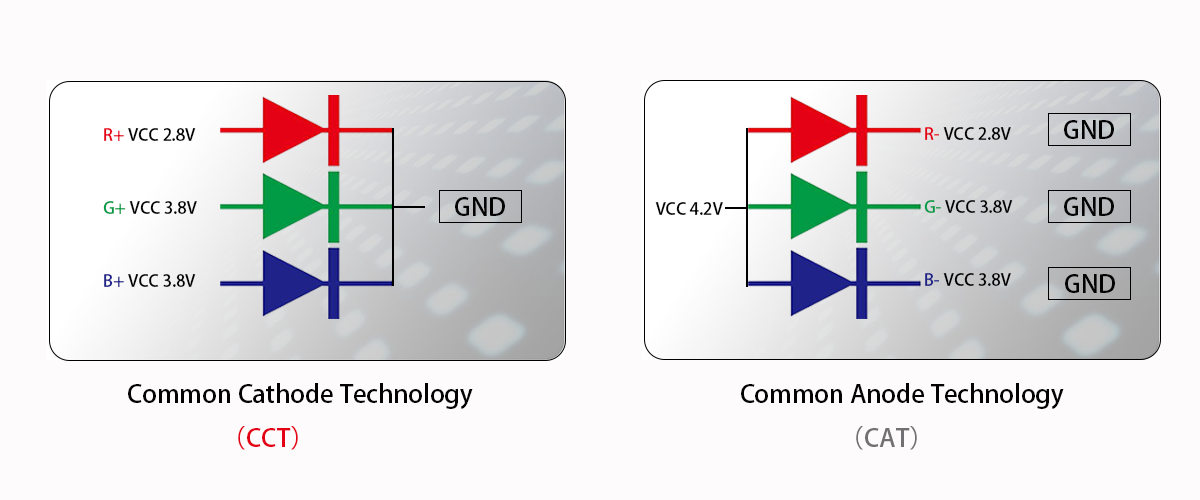
Conventional LED displays generally adopt a common anode driving scheme, where the red, green, and blue LEDs share the same power supply. This makes it impossible to precisely match the voltage requirements of different LEDs. The supply voltage must accommodate chips with higher voltage drops, resulting in significant voltage redundancy for low-drop LEDs. This excess power cannot be converted into light and is instead dissipated as heat. Over time, this not only leads to high energy consumption but also accelerates component aging.
II. What is the common cathode energy-saving technology
Common cathode refers to an LED display power design in which the red (R), green (G), and blue (B) LEDs within each pixel are driven separately and precisely. Each color channel is supplied with its optimal operating voltage and current, ensuring accurate control and stable performance.In a common cathode configuration, the driving current passes through the LED lamp beads first and then flows to the negative electrode of the driver IC. This structure effectively reduces the forward voltage drop and internal resistance, minimizing power loss and heat generation.As a result, common cathode LED displays achieve significantly higher energy efficiency, improved thermal management, and extended product lifespan
(from: https://www.chifeled.com/what-are-the-common-cathode-led-display-screen.html).
III. ROI (return on investment) calculation of LED displays
Although its initial procurement cost may be slightly higher than that of traditional common-anode products, its extremely low operating energy consumption significantly shortens the return on investment period. Now let’s make a comparison using a 20M2 outdoor LED display.
Area: 20m2
Pixel pitch: 6mm
Brightness: 5000nits
Product | Monthly power consumption | Cost/kWh | Cost/year |
Common cathode LED screen | 1950kWh/month | $0.15 | $3438 |
Conventional LED display | 3000kWh/month | $0.15 | $5400 |
From the above list, it can be seen that common cathode energy-saving LED displays can significantly reduce electricity costs. The additional initial investment can be recovered within one year, and during the subsequent service life, the substantial savings in electricity expenses will be fully converted into pure profit.
IV. CHIFE outdoor common cathode energy-saving LED advertising video wall
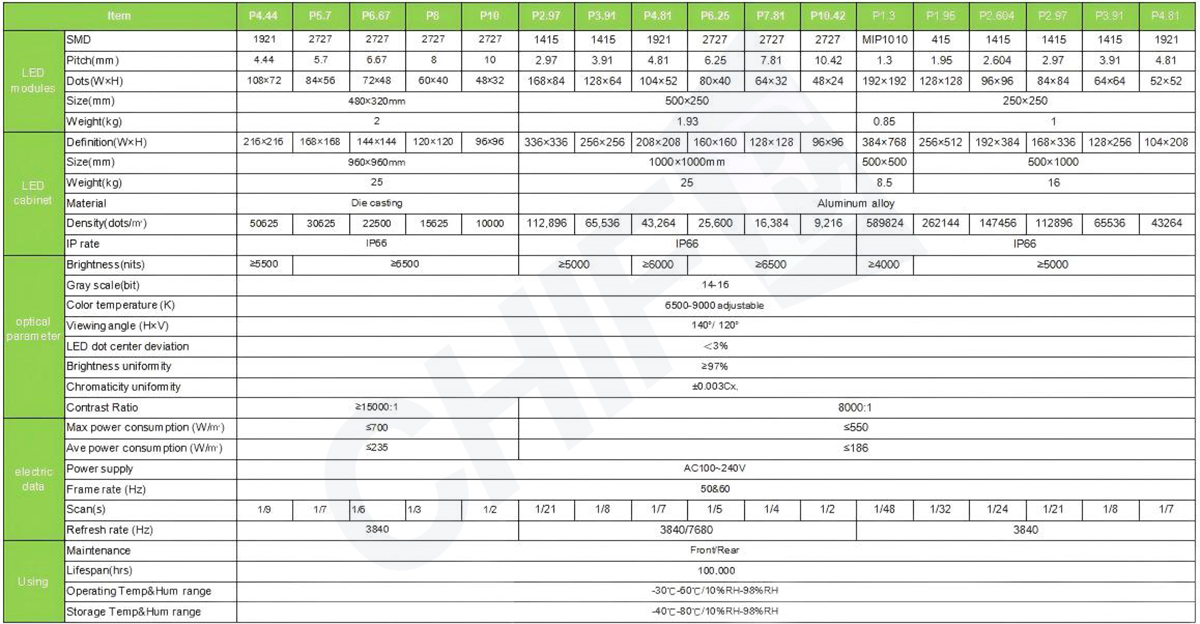
A. Ultra-high brightness – the brightness can reach up to 12,000 nits, allowing the LED displays to remain clearly visible even under direct sunlight.
B. 40% energy-saving - Under the same conditions, CHIFE common cathode LED billboard can save energy consumption by 40%.
C. IP66 waterproof - Fully enclosed design ensures safety and excellent protection against dust, water, and corrosion, enabling reliable operation even in harsh environments.
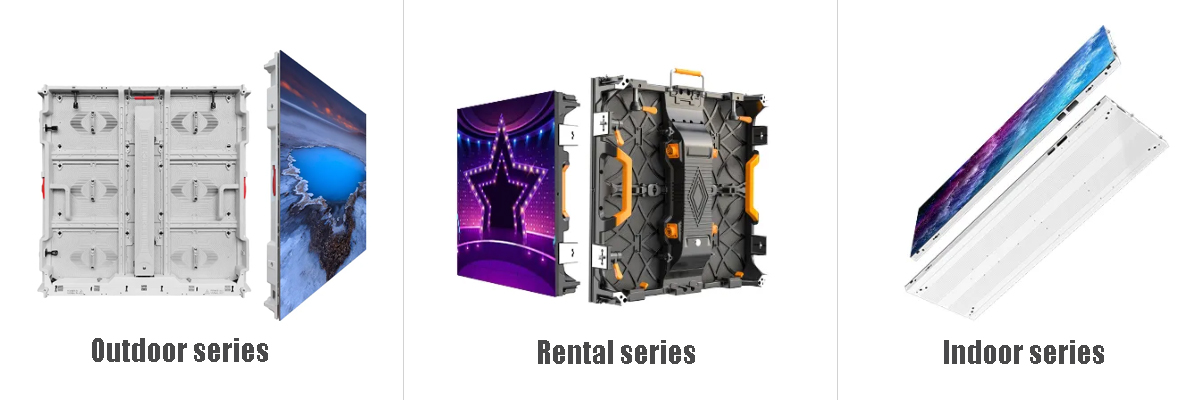
Outdoor series
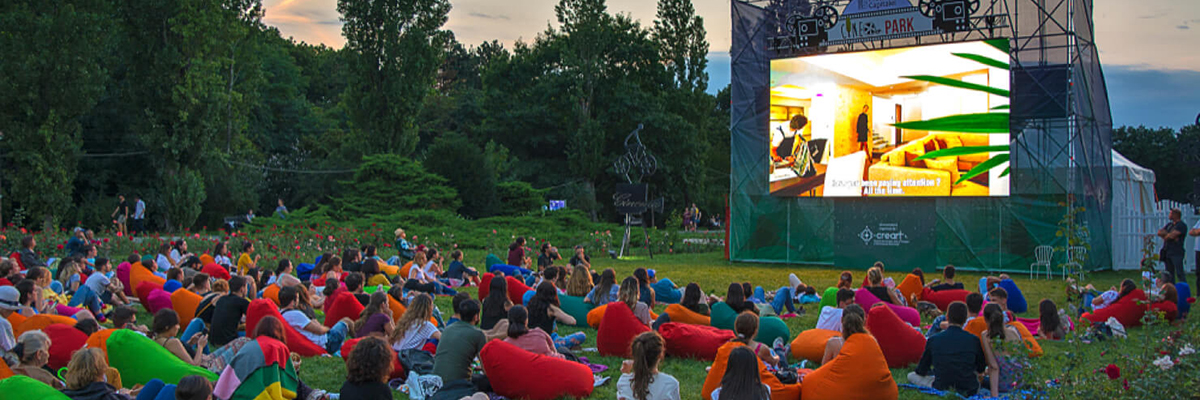
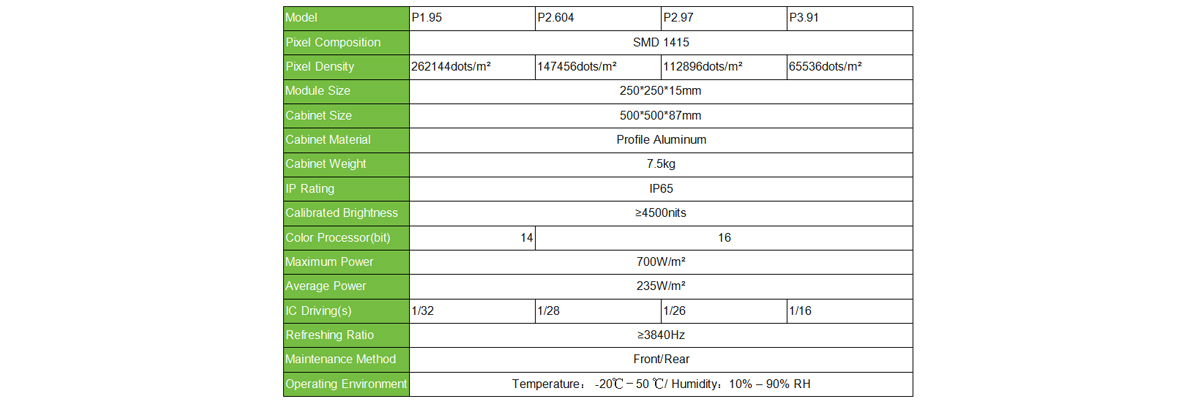
Rental series
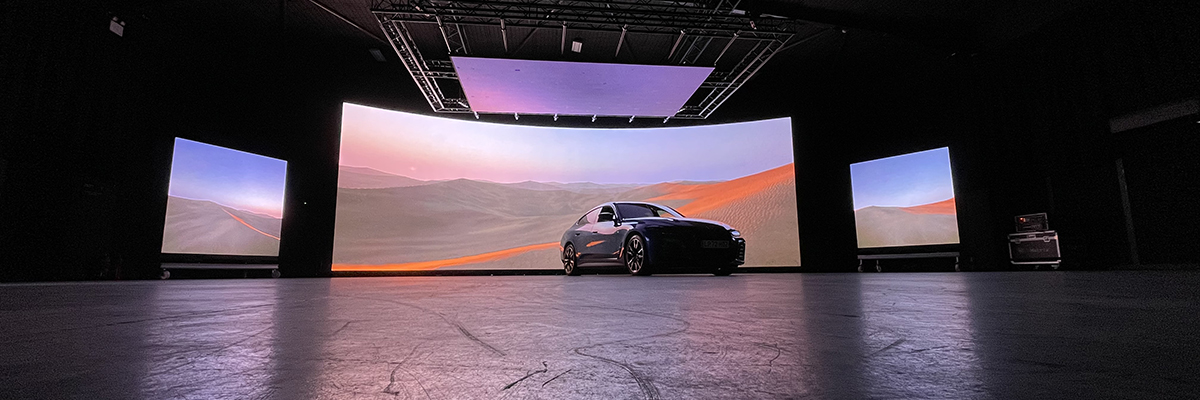
Indoor series
In summary, common-cathode LED displays have become the ideal solution for outdoor advertising screens by delivering energy savings of up to 40% compared with conventional common-anode designs. Their low power consumption, high stability, and reduced maintenance needs make them a forward-looking, cost-effective, and environmentally responsible choice for modern outdoor advertising.


Comments