
Three Core Types of LED Screens in World Cup Stadiums
The 2026 FIFA World Cup—hosted across the U.S., Canada, and Mexico—is set to captivate over 5 billion global fans with 48 teams, 104 matches, and cutting-edge stadium technology. While the players take center stage, the unsung heroes of every match are the stadium LED screens. These high-performance displays don’t just show scores; they deliver immersive fan experiences, drive global brand exposure, and ensure every key moment is visible to both in-stadium spectators and viewers at home. But not all World Cup LED screens serve the same purpose. There are three distinct types, each engineered for a specific role, working together to create the iconic World Cup atmosphere. Let’s break down each one in detail, including their specs, functions, and why they matter for the tournament.
- 11. Central Main LED Scoreboards: The Visual Heart of the Stadium
- 1.11.1 Key Functions
- 1.21.2 World Cup-Grade Specs
- 22. Perimeter LED Banner Screens: The Global Brand Marketing Powerhouse
- 2.12.1 Key Functions
- 2.22.2 World Cup-Grade Specs
- 33. Circular Ribbon LED Screens: The 360° Fan Engagement Tool
- 3.13.1 Key Functions
- 3.23.2 World Cup-Grade Specs
- 4How These 3 LED Screen Types Work Together
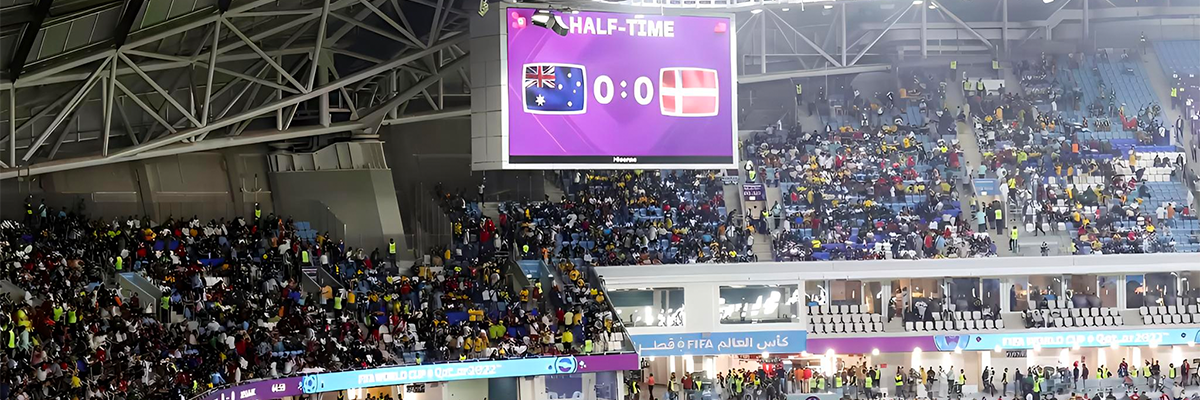
1. Central Main LED Scoreboards: The Visual Heart of the Stadium
The central main LED scoreboard is the most iconic and essential display in any World Cup stadium. Mounted high above the stands, facing the entire venue, it acts as the visual anchor for every fan—whether they’re sitting in the front row or the back of the upper tier. This is the display that keeps everyone connected to the game’s core action, and it’s built to meet FIFA’s strictest technical standards.
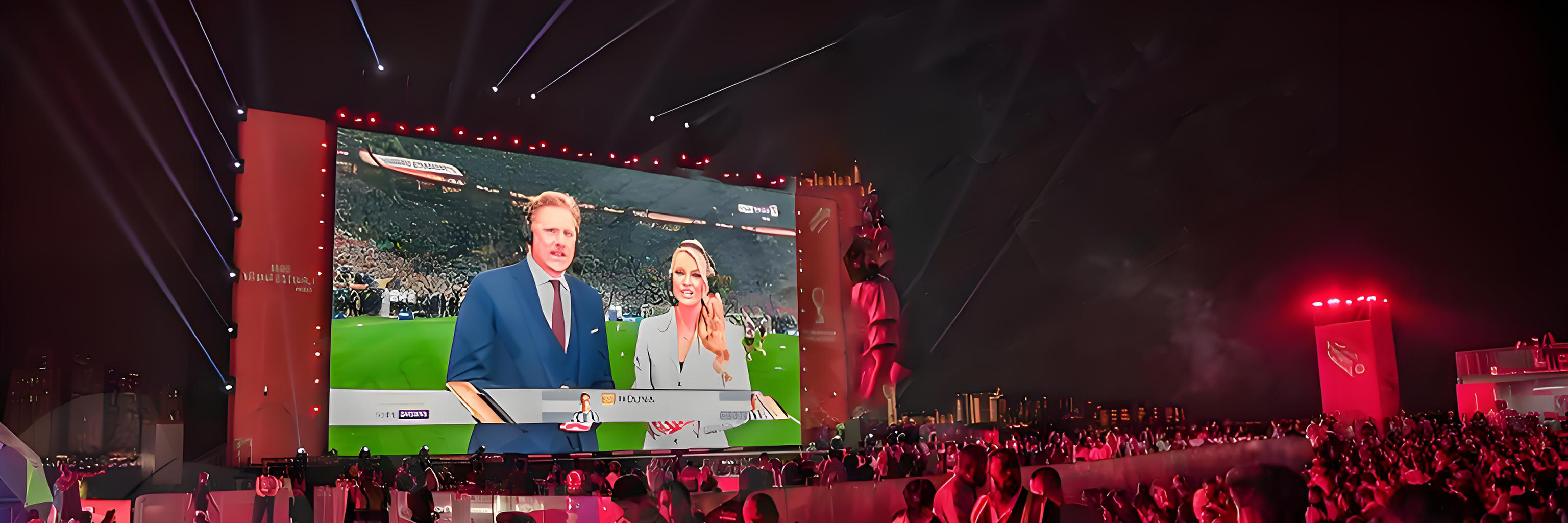
1.1 Key Functions
• Real-time match streaming: Broadcasts the live game feed, ensuring fans in every section don’t miss a single pass, shot, or goal.
• Slow-motion replays & VAR footage: Instantly plays back key moments (goals, saves, penalties) and VAR (Video Assistant Referee) decisions, keeping the crowd informed and engaged during controversial calls.
• Game stats & updates: Displays real-time data, including scores, injury time, substitutions, yellow/red cards, and player metrics (running distance, pass accuracy, shot speed).
• Ceremonial & pre-match content: Shows opening ceremony visuals, team introductions, and tournament highlights to build anticipation before kickoff.
1.2 World Cup-Grade Specs
To perform in harsh outdoor conditions and meet global broadcast standards, these screens feature:
• Brightness: 7,000+ nits (FIFA-mandated) to remains clear even in the midday sunlight—critical for outdoor stadiums in Mexico and the southern U.S..
• Pixel Pitch: P3.91 to P5.0, balancing clarity for distant viewers and cost-effectiveness. Some top venues use P1.5-P2.5 for 8K UHD cinematic quality.
• Refresh Rate: ≥3840Hz to eliminate flickering in TV broadcasts and ensure slow-motion replays are crisp.
• Weather Resistance: IP65+ rating to withstand rain, dust, and extreme temperature fluctuations (from -40°C to 55°C) across World Cup host cities.
2. Perimeter LED Banner Screens: The Global Brand Marketing Powerhouse
Lining the edge of the pitch, perimeter LED banner screens (also called pitchside LED hoardings) are the most valuable advertising real estate in sports. These long, narrow LED strips wrap around the entire field, and their biggest advantage is simple: they’re always in the frame of global TV broadcasts. For brands, this means exposure to billions of viewers—making them a cornerstone of World Cup sponsorship revenue.
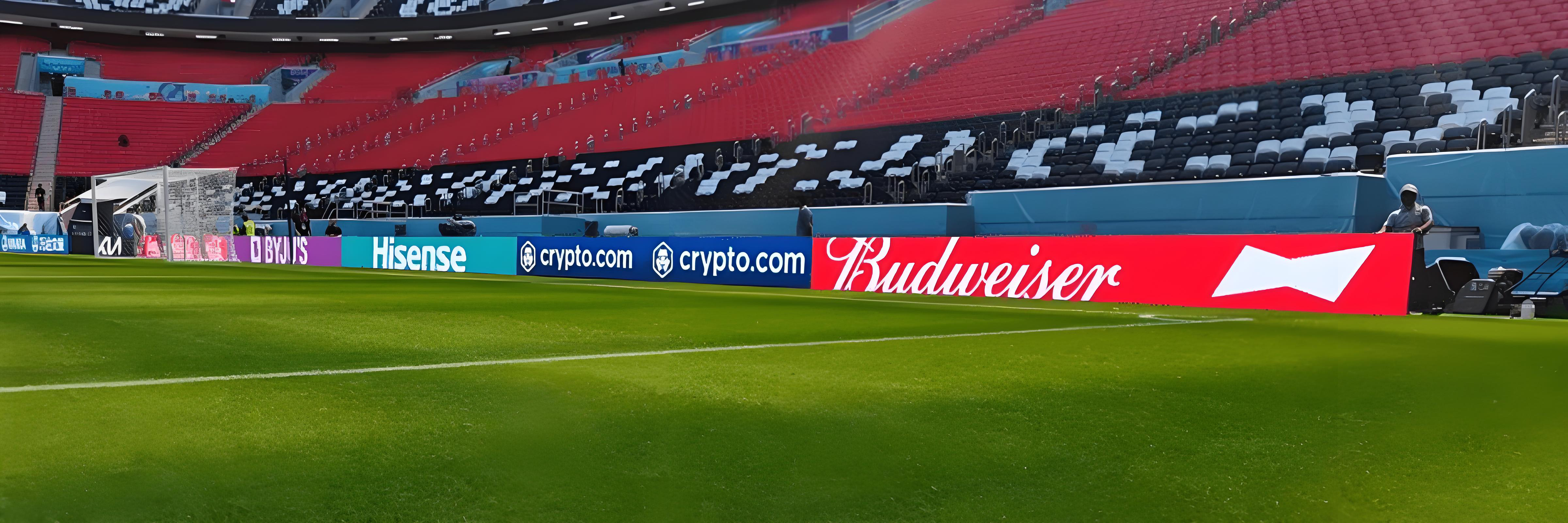
2.1 Key Functions
• Global sponsor exposure: Cycles through sponsor logos, brand videos, and campaign messages, ensuring every TV pan across the pitch delivers targeted advertising.
• Match-day messaging: Displays tournament slogans, fan chants, and emergency announcements without disrupting the game.
• Broadcast flexibility: Uses augmented reality (AR) technology to let broadcasters modify ads for different regions—showing content in local languages while keeping the in-stadium display consistent.
2.2 World Cup-Grade Specs
Perimeter screens face unique challenges—close proximity to players, constant TV camera exposure, and outdoor elements—so they require specialized engineering:
• Anti-Collision Design: Soft, shock-absorbent edges and anti-collision rubber strips to protect against player collisions—critical for fast-paced matches. .
• Refresh Rate: ≥3840Hz to eliminate scan lines and flickering in TV footage—non-negotiable for global broadcasts..
• Weather & Corrosion Resistance: IP65+ waterproof/dustproof housing, with anti-salt spray coating for coastal venues (like Vancouver and Miami) to withstand sea breeze and humidity..
• Modular Flexibility: Interchangeable panels that can be reconfigured to fit different stadium pitch sizes—essential for the 16 diverse 2026 World Cup venues..
3. Circular Ribbon LED Screens: The 360° Fan Engagement Tool
Often overlooked but equally critical, circular ribbon LED screens (also called fascia displays) are thin, long displays that wrap around the upper section of the stadium stands, creating a 360° visual loop. Unlike the main scoreboard or perimeter screens, their focus is on fan engagement and supplementary content—ensuring every spectator feels connected to the action, no matter where they’re sitting.
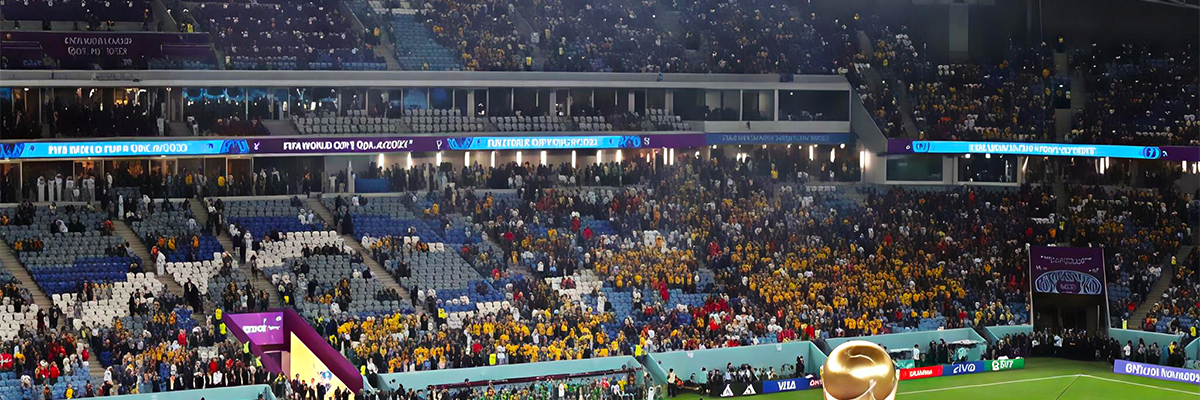
3.1 Key Functions
• 360° information distribution: Scrolls real-time match updates, group stage standings, next match schedules, and fan social media posts—visible from every seat without blocking views of the pitch..
• Atmosphere building: Displays fan chants, team colors, and celebration visuals (e.g., goal animations) to unify the crowd and amplify the game-day energy.
• Supplementary advertising: Adds extra sponsorship inventory, showing rotating logos and short ads that don’t compete with perimeter screen content—boosting venue revenue..
• Public safety: Broadcasts emergency announcements, evacuation routes, and venue guidelines in multiple languages, ensuring compliance with FIFA’s safety standards..
3.2 World Cup-Grade Specs
Ribbon screens are engineered to integrate seamlessly with stadium architecture while delivering reliable performance:
• Ultra-Thin & Lightweight: Modular design that fits along the fascia of stands without adding bulk—crucial to maintain the audience's attention.
• Wide Viewing Angle: ≥140° horizontal viewing angle to ensure visibility from every seat, even in curved stadiums.
• Synchronization: Integrates with the main scoreboard and perimeter screens to deliver consistent content—no delays or mismatched information for fans.
How These 3 LED Screen Types Work Together
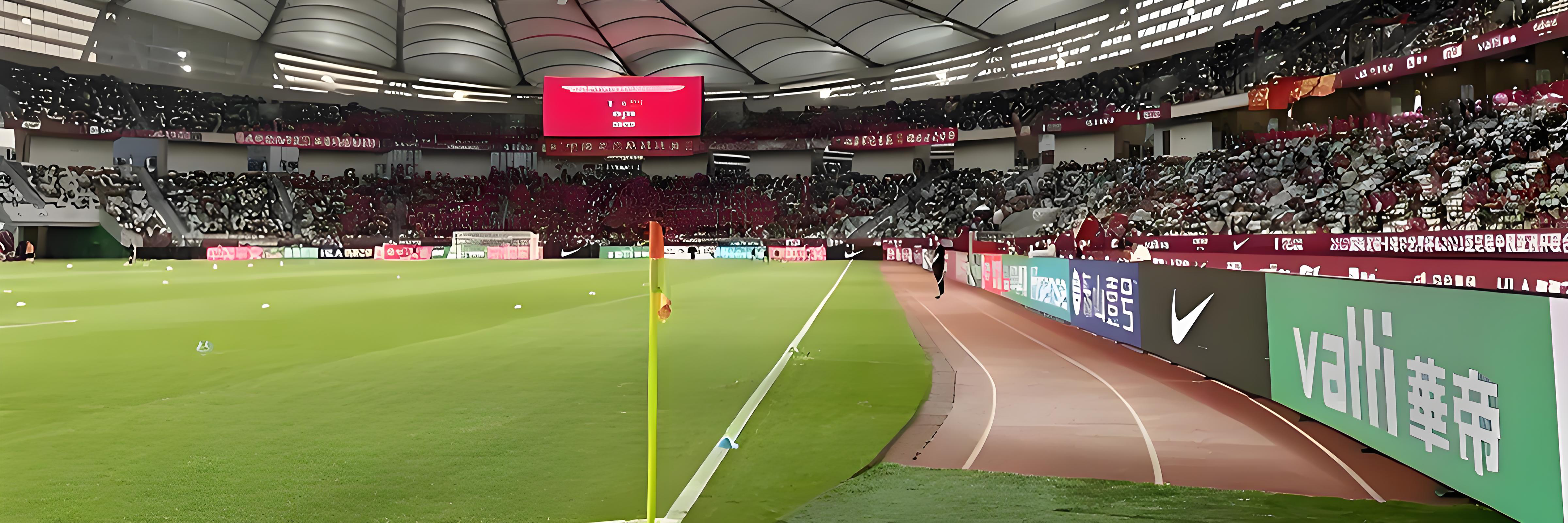
The magic of World Cup stadium LED screens lies in their synergy. The central main screen delivers the core game experience, keeping fans informed and engaged with live action and replays. The perimeter screens drive global brand exposure and sponsorship revenue, while the circular ribbon screens ensure 360° engagement, unifying the crowd and adding extra value for venues. Together, they transform a simple football match into a global, immersive spectacle.
For stadium operators, event organizers, or businesses looking to replicate the World Cup experience, understanding these three LED screen types is key. Whether you’re upgrading a local football field, building a professional venue, or seeking to enhance fan engagement, the World Cup’s LED setup is the gold standard.
Ready to bring World Cup-level LED display technology to your venue? Our team of experts specializes in custom stadium LED solutions—from main scoreboards to perimeter and ribbon screens—engineered to meet the highest standards of brightness, durability, and performance. Contact us for a free consultation and quote.



Comments